Get Residential Trim Installation
Residential trim installation services help property owners improve their home's appearance and functionality by replacing or adding baseboards, crown molding, door and window casings, and other decorative or finishing touches.
Residential trim installation is an important aspect of enhancing the appearance and functionality of a home’s interior and exterior spaces. Property owners in the area often explore these services to update or upgrade their living environments, improve curb appeal, or prepare a home for resale. Whether planning a renovation project or simply seeking to refresh a room’s style, comparing local contractors can help ensure the work meets specific needs and preferences. Staying informed about available options allows homeowners to make confident decisions and select the right professionals for their projects.
For those considering residential trim installation, understanding the variety of services offered by local contractors can be a helpful first step. From baseboards and crown molding to window and door casings, many property owners find value in exploring different styles and materials. Continuing to read can provide insights into how local service providers can assist with planning and executing these projects, making it easier to find experienced professionals who align with individual goals and property requirements.
- Baseboard Installation - homeowners may need new baseboards when renovating or updating room finishes.
- Crown Molding Installation - interior spaces requiring decorative trim to enhance architectural detail often seek local contractors for this work.
- Door and Window Casings - replacing or adding casings around doors and windows can improve aesthetics and finish quality.
- Wainscoting and Paneling - interior design updates or repairs may involve installing decorative wall trim for added style.
- Custom Trim and Molding - unique or specialized trim projects are handled by service providers experienced in custom residential work.
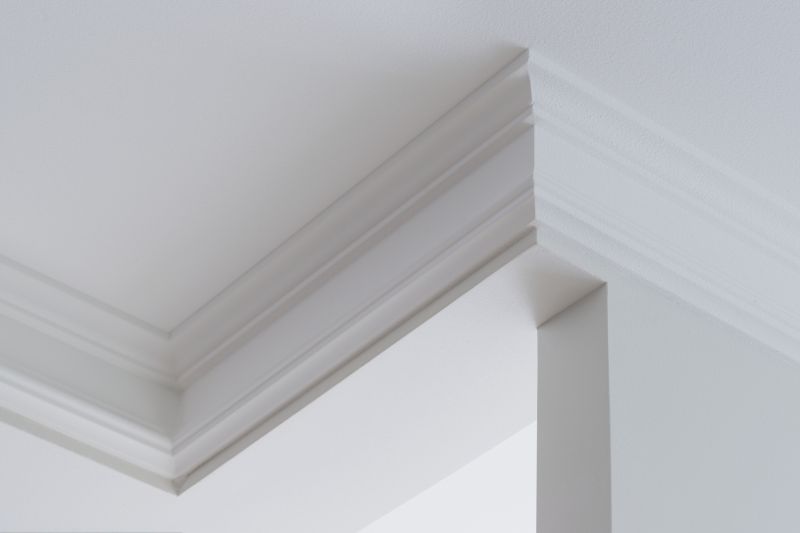
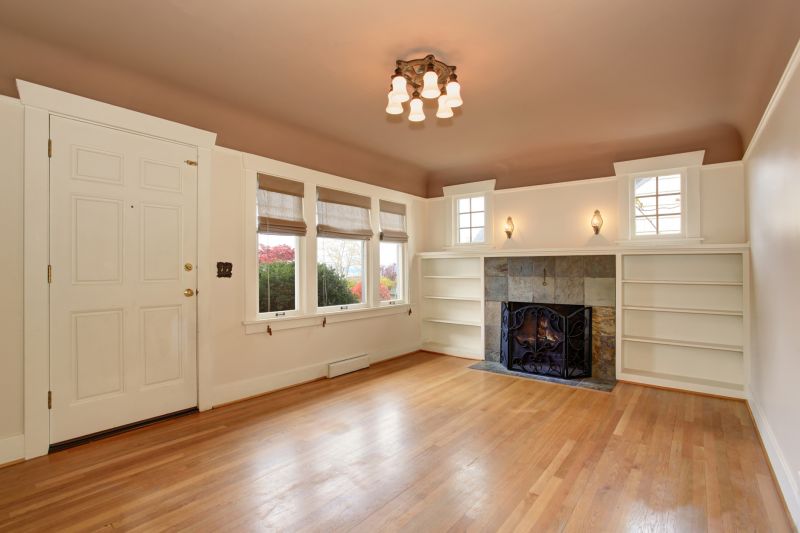

Residential trim installation services involve adding or replacing decorative and functional moldings around doors, windows, ceilings, and floors. This work enhances the overall appearance of a home’s interior, creating a polished and finished look. Skilled service providers handle tasks such as installing baseboards, crown molding, chair rails, wainscoting, and door casings. Proper installation ensures that these elements fit seamlessly, improving both the aesthetic appeal and the structural integrity of the trim work.
This service can help address common problems like damaged or outdated trim that detracts from a home’s interior style. Worn, cracked, or chipped moldings can make a space feel neglected or less inviting. Additionally, replacing or upgrading trim can improve a home’s value and curb appeal, especially during renovations or before selling. Proper trim installation can also help cover gaps or imperfections around doors and windows, providing a cleaner, more streamlined appearance.
Residential properties that frequently utilize trim installation services include single-family homes, townhouses, and condominiums. These types of properties often undergo updates or renovations to refresh their interior design. Homes with older trim may benefit from replacement to modernize the look or repair to restore damaged elements. Whether it’s a new build or an older property needing an upgrade, local contractors can provide the expertise needed to achieve a professional finish that complements the home's style.
Homeowners typically seek trim installation services when undertaking interior remodeling projects, repairing damaged moldings, or aiming to increase their property’s aesthetic appeal. It’s also a common choice for those renovating to improve functionality or to match new interior designs. By working with experienced local service providers, homeowners can ensure that their trim work is installed correctly, enhancing the overall look and feel of their residence.
The overview below groups typical Residential Trim Installation projects into broad ranges so you can see how smaller, mid-sized, and larger jobs often compare in your area.
In many markets, a large share of routine jobs stays in the lower and middle ranges, while only a smaller percentage of projects moves into the highest bands when the work is more complex or site conditions are harder than average.
Smaller Repairs - Typical costs for minor trim repairs or replacements generally range from $250 to $600. Many routine jobs fall within this middle range, depending on the scope and materials used. Fewer projects tend to push into the higher end of this range.
Partial Installations - Replacing or installing trim in specific areas of a home often costs between $600 and $1,500. This range covers most standard projects, with larger or more intricate jobs reaching higher costs.
Full Interior Trim Replacement - Complete interior trim overhaul can vary from $2,000 to $5,000 or more. Larger, more complex projects with premium materials tend to be at the higher end, while simpler jobs stay within the lower to mid-range.
Custom or High-End Projects - Custom trim design or high-end materials can lead to costs exceeding $5,000. These projects are less common and typically involve detailed craftsmanship or extensive work, making them the upper tier of typical expenses.
Actual totals will depend on details like access to the work area, the scope of the project, and the materials selected, so use these as general starting points rather than exact figures.
Crown Molding Installation - local contractors experienced in trim work can handle crown molding projects that require precise measurements, cutting, and finishing techniques similar to residential trim installation.
Baseboard and Wainscoting Installation - professionals skilled in trim installation can also install baseboards and wainscoting, involving careful planning, cutting, and finishing for a polished look.
Door and Window Casings - local service providers can install casings around doors and windows, requiring similar carpentry skills, tools, and attention to detail as with interior trim work.
Interior Paneling Projects - experts in trim and finishing work can handle interior wall paneling, which involves precise measurements, cutting, and securing panels for aesthetic appeal.
Fireplace Mantel Mounting - installing fireplace mantels involves carpentry skills and careful planning, aligning with the skills used in residential trim and decorative woodwork.
Custom Woodwork and Molding Accents - local contractors can craft and install custom wood accents that enhance interior spaces, utilizing similar tools and techniques as residential trim installation.

When comparing service providers for residential trim installation, it’s important to consider their experience with similar projects. Homeowners should look for local contractors who have a proven track record of completing trim work comparable in scope and style to what is desired. An experienced professional is more likely to understand best practices, navigate potential challenges, and deliver a polished result that enhances the home's interior. Gathering information about their previous projects can provide insight into their familiarity with different trim materials and design preferences, helping to ensure the selected contractor can meet specific aesthetic and functional expectations.
Clear, written expectations are essential when evaluating local pros for trim installation. Homeowners should seek providers who can offer detailed descriptions of their services, including the scope of work, materials used, and the estimated process. Having this information documented helps prevent misunderstandings and provides a reference point throughout the project. Transparent communication about what is included and what is not can foster trust and ensure both parties are aligned on the desired outcome, making the process smoother and more predictable.
Reputable references and good communication are key factors in choosing a dependable service provider. Homeowners are encouraged to ask for references from previous clients to verify the quality of work and professionalism. Additionally, responsive and clear communication from the contractor indicates their commitment to customer satisfaction and their ability to keep clients informed throughout the project. While the site introduces homeowners to local options for trim installation, it’s important to remember that the actual work is handled by trusted local contractors who can be contacted directly to discuss experience, expectations, and communication style.
Property owners use Residential Trim Installation services for practical projects around their homes and businesses. This guide focuses on everyday jobs and straightforward project options.
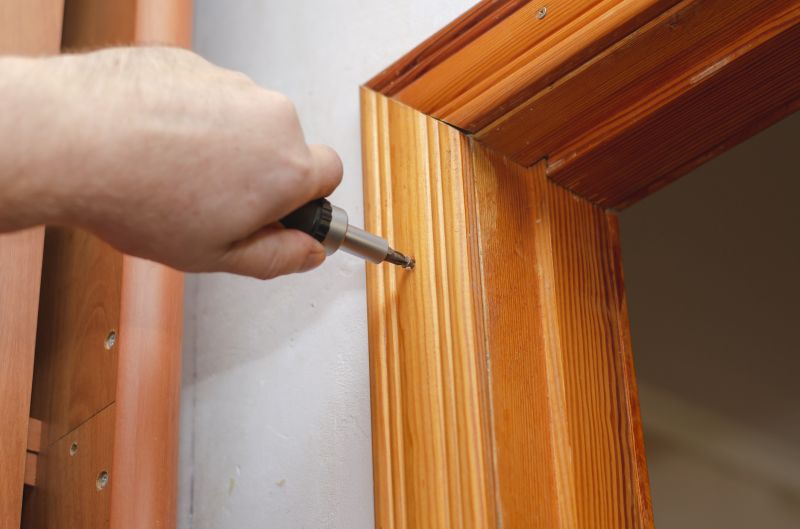
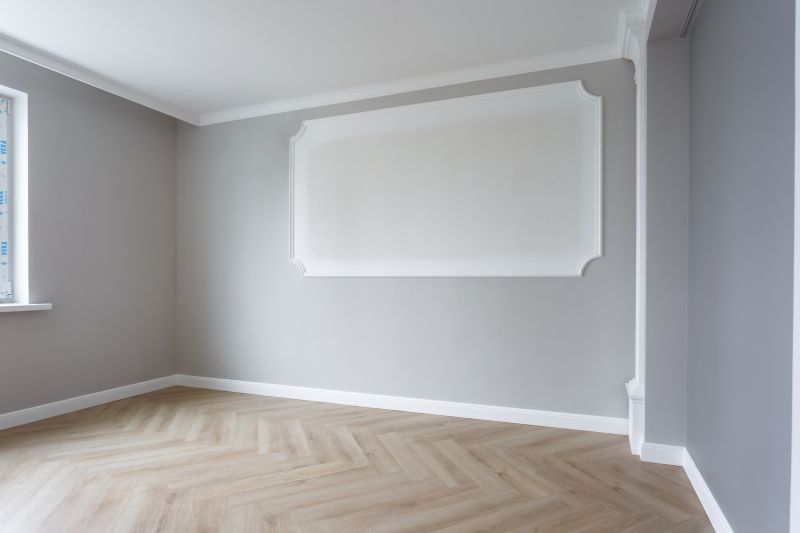
Residential trim installation is a common project for property owners looking to enhance the appearance and functionality of their homes. Whether upgrading existing trim, replacing damaged sections, or adding decorative touches, local contractors can help achieve a fresh, polished look. Homeowners often seek these services during renovations, after weather-related damage, or simply to improve curb appeal and interior aesthetics.
Many property owners turn to local service providers for straightforward tasks like installing baseboards, crown molding, or window casings. These projects can also be part of larger remodeling efforts or routine updates to maintain the home's value. Connecting with experienced local contractors ensures that the trim installation is handled efficiently and to the homeowner’s satisfaction.
What types of residential trim installation services are available? Local contractors offer a variety of trim installation options including crown molding, baseboards, door and window casings, wainscoting, and decorative trims to enhance interior spaces.
How can I determine the best trim style for my home? Service providers can help assess your interior design preferences and existing decor to recommend trim styles that complement your home's aesthetic.
What materials are commonly used for residential trim installation? Common materials include wood, MDF, polyurethane, and PVC, chosen based on durability, appearance, and suitability for specific areas within the home.
What preparation is needed before trim installation begins? Local pros typically advise clearing the area, removing existing trim if necessary, and ensuring walls are smooth and ready for installation.
What are the benefits of hiring a professional for residential trim installation? Professionals ensure precise measurements, proper fitting, and a finished look, helping to improve the overall appearance and value of a home.
Crown Molding Installation - Enhance the appearance of living rooms or bedrooms by adding decorative crown molding to create a finished look.
Baseboard and Trim Replacement - Upgrade or replace existing baseboards and interior trim to improve the style and condition of hallways and common areas.
Door and Window Casings - Add or update casings around doors and windows to improve aesthetics and conceal gaps for a polished appearance.
Custom Woodwork Projects - Incorporate unique trim or decorative wood accents to personalize spaces and add character to interiors.
If you are thinking about Residential Trim Installation for a property, this guide is meant to help you understand the work, the typical project types, and how different options might fit your plans.
When you are ready, you can use the quote form on this page to share a few details about your project. From there, local pros can review the basics and respond with options that match what you have in mind.